When to Prune Trees in Southeast Michigan: A Species-by-Species Calendar
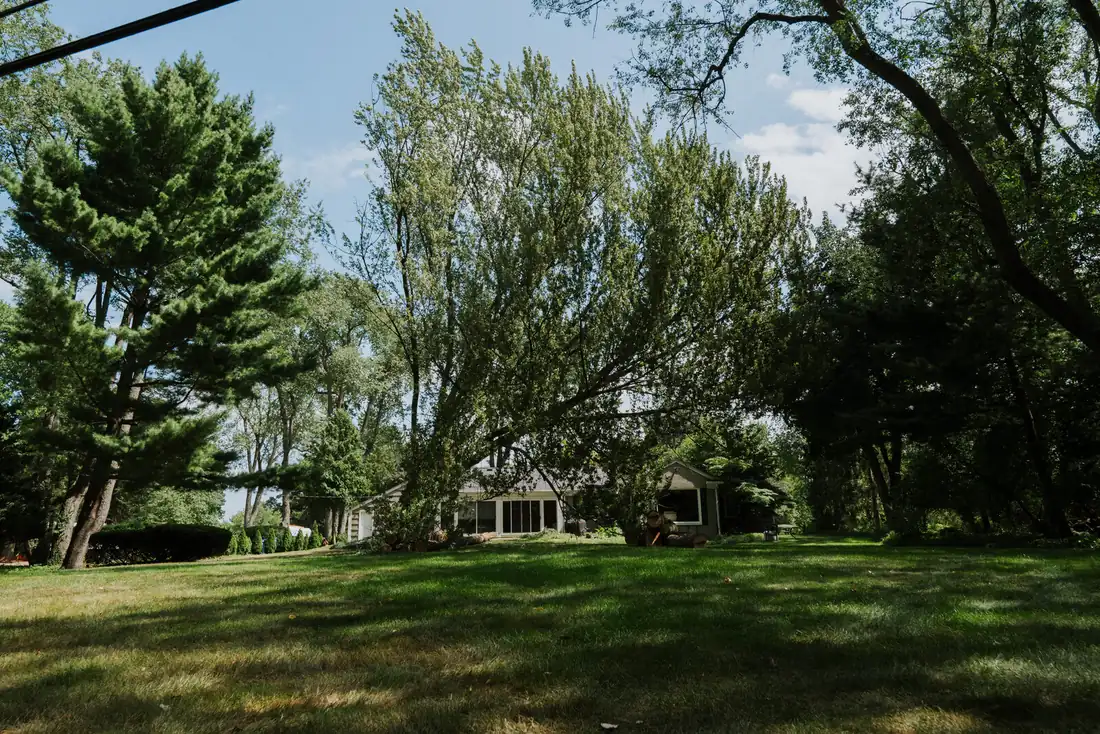
The short answer for most deciduous trees is late winter, while they are dormant. The longer answer is that several of the trees most common in Southeast Michigan yards have their own rules. Oaks have a legal-feeling deadline, maples and birches bleed, flowering trees set next year's blossoms right after this year's, and evergreens each run on their own schedule. Here is the calendar we follow, and why.
— Quick Points —
- Most deciduous trees: late fall through very early spring, while dormant.
- Oaks: winter only. Never between April 15 and July 15 in Michigan.
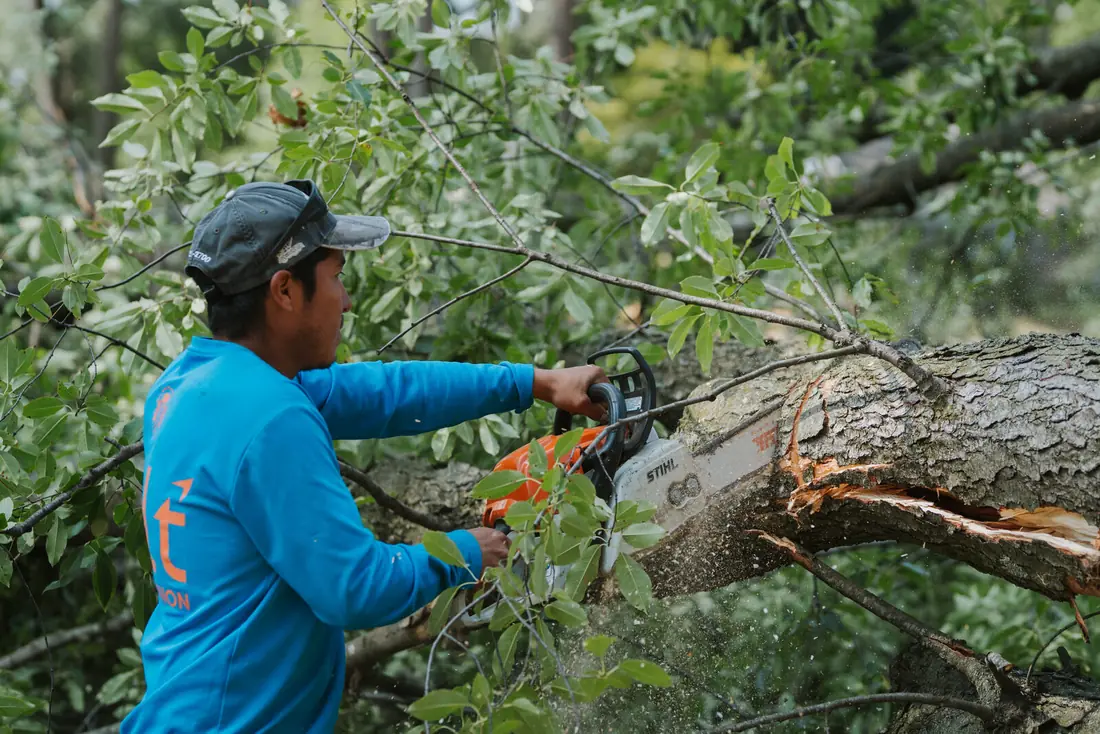
- Dead, broken, or hanging branches: remove them any time of year.
Why Dormant Season Works for Most Trees
The Morton Arboretum's guidance is that the best time to prune most deciduous trees is from late fall, after they drop their leaves, through very early spring. Three things work in your favor then. You can see the branch structure clearly without leaves in the way. Most insects and disease organisms are inactive. And cuts made in mid to late winter sit for only a short time before spring growth begins sealing them.
In our area, that window generally runs from about December into March, before buds break. Frozen ground in January and February also makes it easier to get equipment into the yard without damaging the lawn.
Oaks: Winter Only
Oak wilt is the reason. The Michigan DNR identifies April 15 to July 15 as the high-risk period, when sap-feeding beetles carry the oak wilt fungus to fresh wounds, with the highest risk in May and June. Red oaks, black oaks, and pin oaks are the most vulnerable. White oaks, swamp white oaks, and bur oaks can be infected but resist spread better.
Prune oaks while they are fully dormant. The Morton Arboretum suggests watching for leaf drop as the signal rather than relying strictly on the calendar, since weather patterns have been shifting. If an oak gets wounded during the risk period, the DNR advises covering the wound immediately with tree-wound paint or latex paint.
Elms: Also Winter
Elms follow the same logic as oaks. The beetles that spread Dutch elm disease are attracted to fresh wounds during the growing season, so elms should be pruned while dormant.
Maples, Birches, and Walnuts: Expect Sap
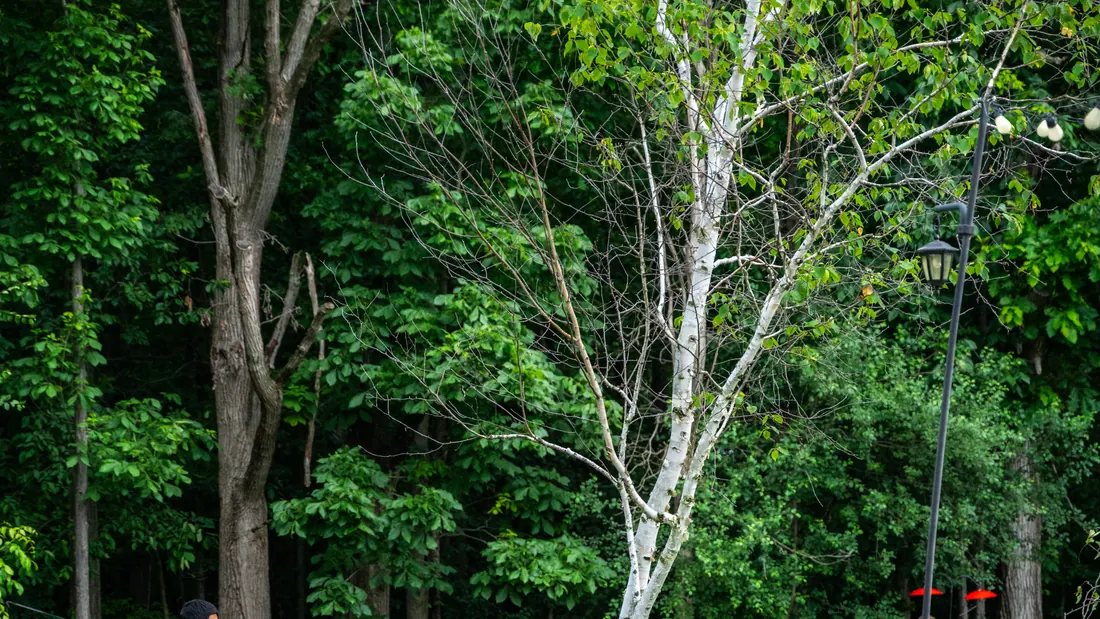
Maples, birches, walnuts, and beech push a lot of sap in late winter and early spring, and pruning them then causes cuts to drip, sometimes heavily. The Morton Arboretum notes that the bleeding is unsightly but not harmful. If you would rather avoid it, prune these trees during the coldest part of winter, or wait until the leaves have fully expanded in early summer.
Birch has an extra consideration. The bronze birch borer, a common killer of stressed birches in Michigan, is attracted to trees during the growing season, so many arborists prefer to prune birches while dormant and avoid heavy summer cuts.
Spring-Flowering Trees: Right After Bloom
Crabapples, magnolias, redbuds, serviceberries, flowering cherries, and similar trees form next year's flower buds during the summer. Pruning them in winter removes some of those buds, which means fewer flowers the following spring. It does not harm the tree, but if flowers are the point of the tree, prune within a few weeks after it finishes blooming.
The exception is structural or corrective work, which can still be done in the dormant season when the branches are easier to see. For crabapples and ornamental pears, which are prone to fire blight, dry dormant-season weather is the safer time for larger cuts.
Evergreens Run on Their Own Schedule
Pines grow in a single burst each spring from new shoots called candles. To keep a pine denser, pinch or cut the new candles back by about half in late spring while they are still soft. Pines generally do not regrow from bare wood, so do not cut back into old needles and expect new growth there.
Spruce and fir can be lightly shaped in early spring before new growth starts. Arborvitae and yew tolerate shearing better than most conifers and are usually trimmed in late spring or early summer after the first flush of growth. Dead or diseased evergreen branches can be removed any time.
The Season to Avoid Heavy Pruning
Late summer and early fall are the one stretch we avoid for heavy pruning on most trees. Cutting live wood then removes leaves the tree is using to store energy for winter, and it can stimulate late growth that does not harden off before the first freeze. Fall is a great time to look at trees and plan work, since defects start to show as leaves drop. It is a better time to make the list than to make the cuts.
Any Time: Dead, Broken, and Hazardous Branches
None of this timing applies to a branch that is dead, cracked, or hanging after a storm. Those should come out as soon as possible, in any season, because the risk of the branch falling outweighs any benefit of waiting. The one caution is oaks in the risk window: remove the hazard, then paint the wound.
How Often
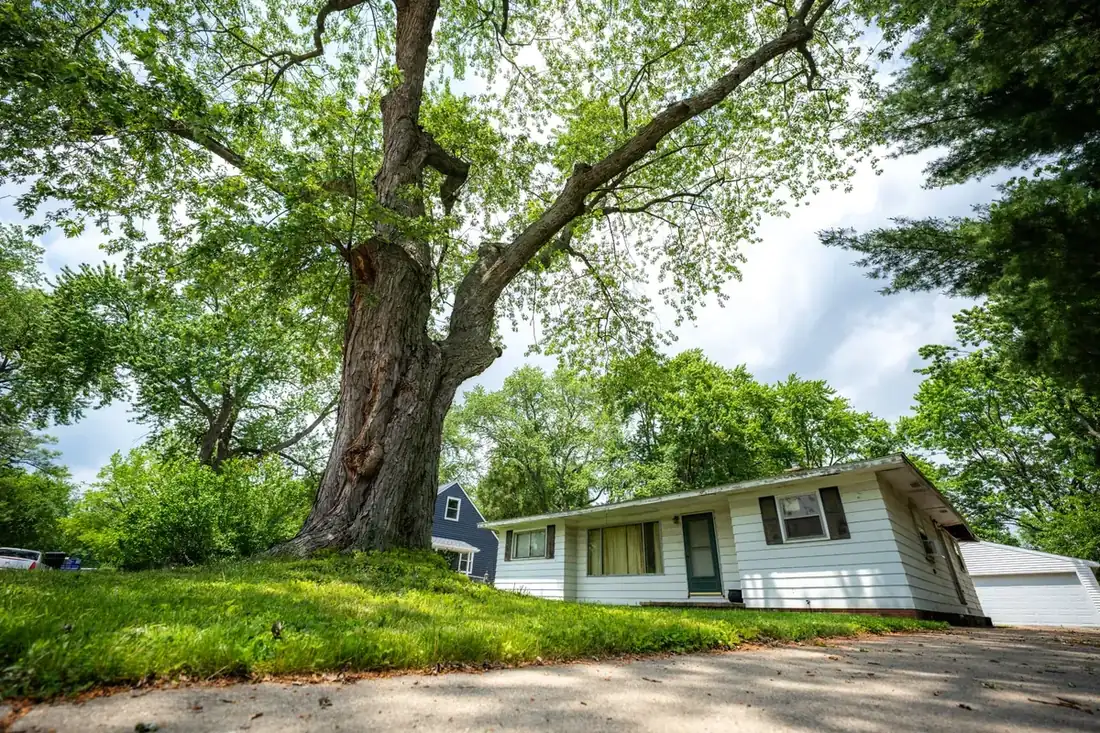
Young trees benefit from light structural pruning every two to three years after they have established. Healthy mature trees often need attention every three to five years. Trees over houses, driveways, or near lines may need it more often.
The Calendar at a Glance
December through March: the main pruning season for most deciduous shade trees, and the only season for oaks and elms. Also the coldest-weather window for maples and birches if you want to limit sap flow.
April through mid-July: no oak pruning. Prune spring-flowering trees right after they finish blooming. Pinch pine candles in late spring. Lightly shape spruce and fir before new growth starts.
Early summer, once leaves are fully out: a good time for light pruning of maples and birches without heavy bleeding, and for trimming arborvitae and yew hedges.
Late summer through fall: avoid heavy pruning on most trees. Use this time to look at your trees, note dead or crossing branches as the leaves thin, and get winter work scheduled.
Any month: remove dead, broken, or hanging branches, especially over the house, driveway, or play areas.
Get on the Winter Pruning Schedule
Winter is our preferred season for pruning oaks and most shade trees, and the calendar fills up. If you have trees that need work, fall is the time to call so we can look at them and put them on the schedule.
Free estimates across Livonia and all of Southeast Michigan. Call (734) 788-8822.
— Related Services —
— Keep Reading —